Understanding Data Transfer Protocols: The Backbone of Your Digital Communication
In today's digital landscape, understanding data transfer protocols is essential for anyone looking to navigate the complexities of online communication. These protocols, such as HTTP, FTP, and TCP/IP, serve as the set of rules that determine how data is transmitted over the internet. By establishing a standard for how information is shared, data transfer protocols ensure reliable and secure communication between devices. For instance, Hypertext Transfer Protocol (HTTP) is foundational for web browsing, allowing your browser to request and receive web pages efficiently.
Moreover, the importance of data transfer protocols extends beyond mere functionality; they play a crucial role in the user experience and overall performance of digital platforms. By adhering to these protocols, developers can optimize data flow, reduce latency, and enhance security measures. Understanding how these protocols work can empower users to troubleshoot issues and improve their online interactions. To summarize, investing time in learning about data transfer protocols is a valuable step toward mastering the digital world.
Counter-Strike is a highly competitive first-person shooter game that has gained immense popularity since its release. Players form two teams, either terrorists or counter-terrorists, and engage in various objective-based game modes. For gamers looking to enhance their setup, checking out the Top 10 usb c hubs for macbook can be beneficial for improved connectivity and performance during intense matches.
How Data Transfer Impacts Your Everyday Online Activities
In our increasingly digital world, data transfer is a critical component that influences how we engage with online content daily. Every time you send an email, stream a video, or browse your favorite social media platform, you're relying on data transfer processes. This transfer happens at lightning speed, often in milliseconds, ensuring that you receive the information you need without delay. The efficiency of this data flow not only affects your user experience but also has implications for website performance, search engine rankings, and your overall satisfaction with online services.
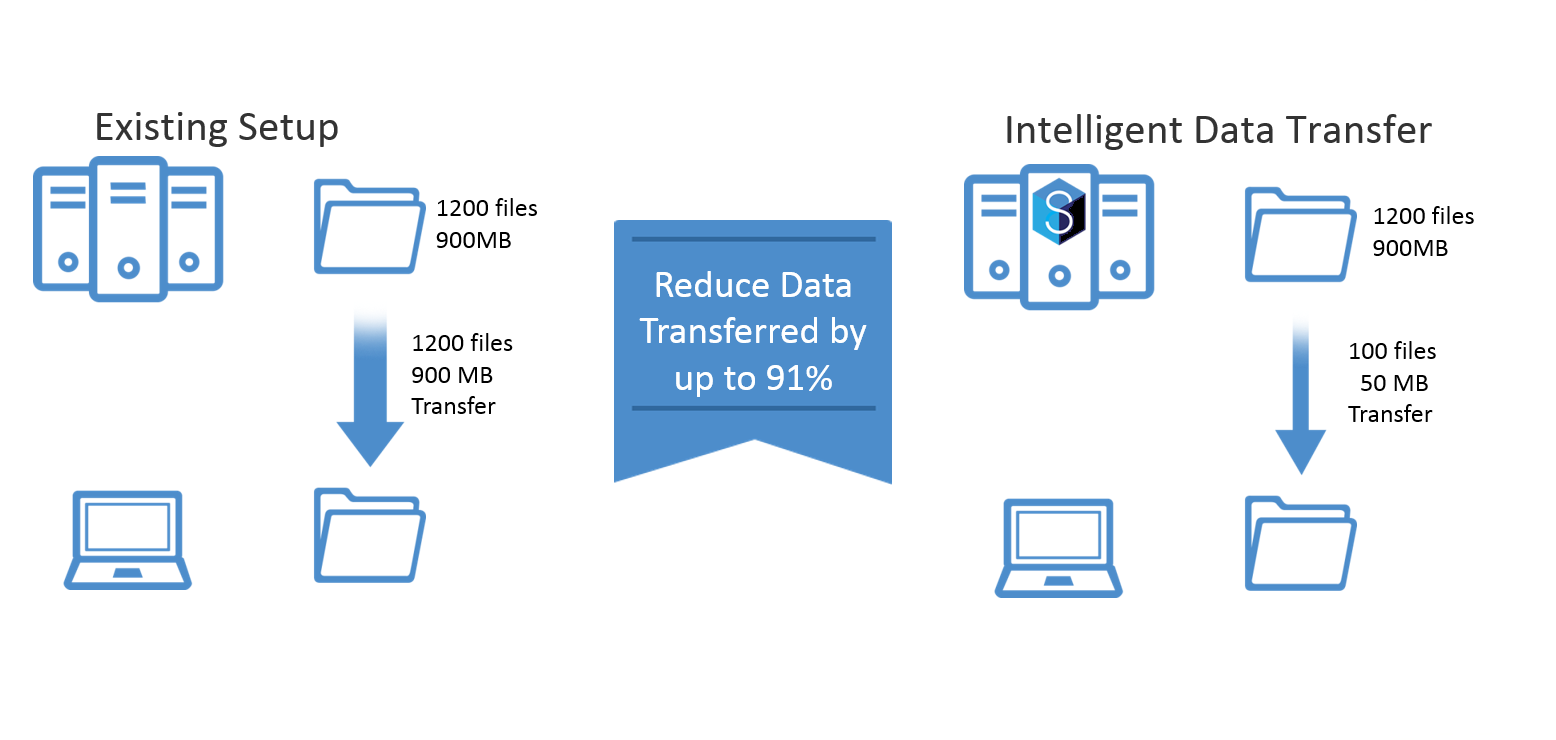
Moreover, understanding how data transfer impacts your activities can help you make informed decisions about your internet usage. For instance, compressed data files can save you bandwidth when streaming or downloading, enhancing your online experience. On the flip side, poor data transfer speeds can lead to frustrating lags and buffering, causing visitors to leave your website or stream. To improve your interaction with digital content, consider optimizing your internet connection, as well as the websites you frequently visit, to ensure that you are getting the best possible service and experience.
What Makes Data Transfer Secure and Reliable in Today’s Digital World?
In today's interconnected landscape, ensuring secure and reliable data transfer is more crucial than ever. Several key factors contribute to this security. First and foremost, encryption technologies play a vital role. By converting data into coded formats, encryption ensures that even if intercepted, the information remains unintelligible to unauthorized users. Additionally, the implementation of secure protocols, such as HTTPS and FTPS, ensures that data transfers are protected through secure channels, minimizing the risk of eavesdropping.
Another essential aspect is the use of authentication mechanisms. Techniques like two-factor authentication (2FA) add an extra layer of security by verifying the identity of users. Furthermore, consistent data integrity checks help confirm that the information transferred has not been altered during transmission. Together, these elements create a robust framework that enables secure and reliable data transfer, ultimately fostering trust in our digital communications.