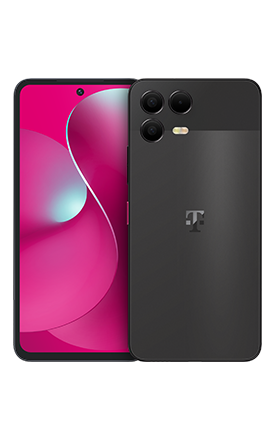
The Evolution of Mobile Devices: From Necessity to Obsession
Over the past few decades, mobile devices have undergone a remarkable transformation, evolving from basic communication tools to indispensable platforms that shape our daily lives. Initially, the primary focus of mobile phones was to facilitate voice communication, making them a necessity for staying connected. However, as technology advanced, these handheld devices began integrating features such as SMS, cameras, and eventually, internet connectivity. This shift marked the beginning of a new era, where mobile devices became gateways to not only communication but also information access, entertainment, and social interaction.
Today, the obsession with mobile devices is palpable, as they have become more than just tools; they are now extensions of our identities. The advent of smartphones revolutionized the mobile landscape, offering a plethora of applications and services that cater to every aspect of life. From social media and online shopping to navigation and gaming, our reliance on these devices has reached new heights. As we increasingly find ourselves immersed in a world governed by mobile technology, it's essential to recognize the profound impact this evolution has had on our social fabric, behaviors, and even mental health.
Counter-Strike is a popular team-based first-person shooter that has captivated gamers worldwide. Known for its competitive gameplay, players can choose to play as terrorists or counter-terrorists, engaging in various objective-based missions. For gamers looking to enhance their experience, check out the Top 10 iphone air accessories that can improve gaming setups. The tactical depth and strategic planning required in Counter-Strike make it a staple in esports and casual play alike.
Why Do We Keep Checking Our Phones? The Psychology Behind Mobile Addiction
The phenomenon of constantly checking our phones can be attributed to various psychological factors. One primary reason is the variable reward schedule that social media and notifications provide. This concept, rooted in behavioral psychology, suggests that people are more likely to repeat behaviors that are occasionally reinforced—much like how a slot machine operates. When we receive a notification, it triggers a dopamine release, creating a cycle of anticipation and reward. This addictive nature of mobile devices keeps us hooked, driving us to check our phones for updates, likes, or messages even when we are engaged in other activities.
Another significant factor behind our mobile addiction is FOMO, or the fear of missing out. In today’s hyper-connected world, we are bombarded with images of friends’ activities, breaking news, and viral trends, making us feel as though we need to stay continuously connected. This fear can lead to compulsively checking our phones, as we worry that we might miss important developments or social interactions. Over time, this can contribute to anxiety and decreased satisfaction with our own lives as we compare ourselves to the curated lives of others online. Understanding these psychological triggers is essential in tackling mobile addiction and finding a healthier balance with technology.
How Mobile Screens Changed the Way We Interact with the World
The advent of mobile screens has revolutionized how we interact with the world around us. From smartphones to tablets, these devices have become an extension of our daily lives, influencing everything from communication to travel and shopping. With a simple tap or swipe, we can connect with people across the globe, access a wealth of information, and even manage our finances—all from the convenience of our pockets. This shift has not only altered our behaviors but also transformed social dynamics and professional landscapes, making mobile technology an integral part of modern society.
Furthermore, the rise of mobile screens has facilitated an era of instant gratification, as users expect immediate responses and access to content at their fingertips. Businesses have adapted accordingly, emphasizing mobile-friendly experiences such as responsive web designs and apps to cater to the growing demand. As a result, the way we engage with brands and services is increasingly centered around mobile devices, creating a duality where mobile interaction shapes consumer behaviors and, in turn, influences market trends. As we look ahead, it's clear that mobile screens will continue to play a pivotal role in how we interpret and navigate our world.