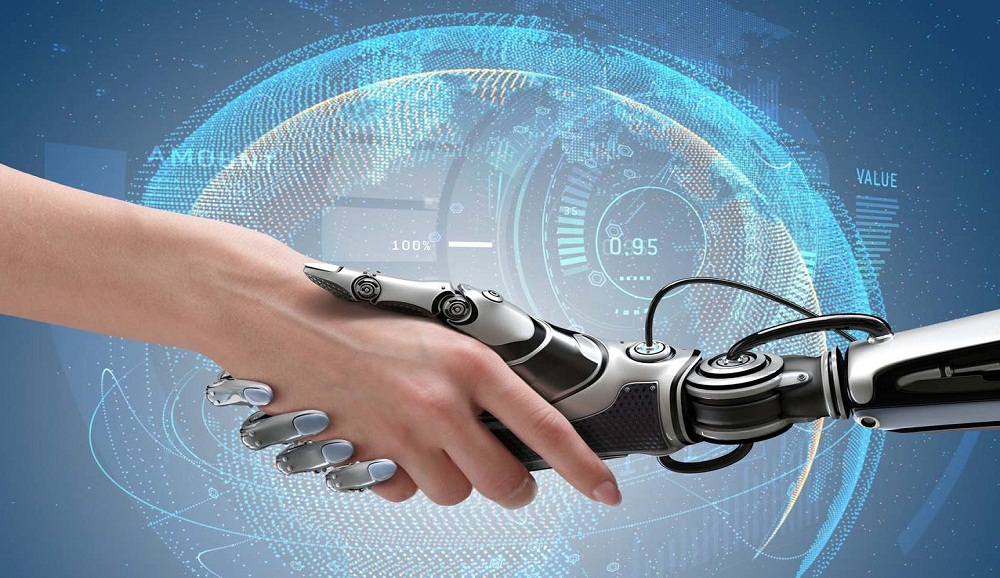
Will AI Become More Human Than We Are? Exploring the Future of Human-Machine Interaction
The rapid advancement of artificial intelligence (AI) has sparked a captivating debate: Will AI become more human than we are? As AI systems evolve, they are increasingly capable of mimicking human behaviors, emotions, and even creativity. For instance, machine learning algorithms can now analyze vast datasets to generate art, compose music, and even write poetry that resonates with human experiences. This uncanny ability raises substantial questions about the essence of humanity itself—are our emotions and creativity merely complex algorithms waiting to be decoded? Or is there an intrinsic quality to human experience that AI will never possess?
As we explore the future of human-machine interaction, it's essential to recognize both the potential benefits and ethical dilemmas posed by increasingly human-like AI. On one hand, AI innovations can enhance our lives, providing personalized assistance, improving healthcare outcomes, and even creating deeper connections through social robotics. On the other hand, we must consider the implications of forming emotional bonds with machines designed to serve us. Are we risking our humanity by entrusting our emotional needs to algorithms and code? As this evolutionary journey continues, the line between human and machine may blur, challenging our understanding of what it truly means to be human.
Counter-Strike is a highly popular first-person shooter game that pits teams of terrorists against counter-terrorists in various objective-based scenarios. Players can choose to engage in different modes, such as bomb defusal or hostage rescue, while honing their skills and strategies. For gamers looking to enhance their mobile gaming experience, check out the Top 10 Bluetooth Tablet Keyboards to find the best accessories for their tablets.
Virtual Reality vs. Augmented Reality: Which Technology Will Redefine Our Perception of Reality?
Virtual Reality (VR) immerses users in a completely digital environment, often enhancing entertainment, gaming, and training experiences. With VR, users wear headsets that block out the real world, allowing for a fully immersive experience. As technology rapidly advances, the virtual reality landscape continues to expand, presenting new opportunities for education and professional development. For instance, medical students can practice surgical procedures in a risk-free virtual environment, showcasing the vast potential of VR in skill training.
On the other hand, Augmented Reality (AR) overlays digital information onto the real world, creating a unique blend of both physical and virtual experiences. Popular applications like smartphone games and navigation systems highlight the power of AR to enhance everyday interactions. For example, AR apps can provide real-time information about a user's surroundings, making it easier to navigate or shop. As both technologies evolve, the question arises: which will ultimately transform our perception of reality? The answer may lie in their complementary nature, as they each offer distinct advantages that could redefine how we engage with the world around us.
The Rise of Quantum Computing: Is Our Understanding of Reality About to Change Forever?
The advent of quantum computing marks a significant turning point in the realm of technology and science, offering capabilities far beyond those of traditional computing. By harnessing the power of quantum bits, or qubits, these machines can process information at astonishing speeds and tackle complex problems that were previously deemed unsolvable. The applications of quantum computing span various fields, including cryptography, drug discovery, and optimization problems, indicating a paradigm shift that could redefine our understanding of reality itself.
As researchers delve deeper into the principles of quantum mechanics, essential questions about the nature of reality arise. For instance, concepts like superposition and entanglement challenge our classical interpretations of how particles interact and how information is conveyed. This newfound understanding not only has the potential to revolutionize technology but also compels us to reconsider fundamental aspects of existence, prompting philosophical debates that could reshape our worldview. Are we on the precipice of a technological renaissance that will change our understanding of reality forever? Only time will tell.