Exploring the Ancient Art of Ayurvedic Healing: Principles and Practices
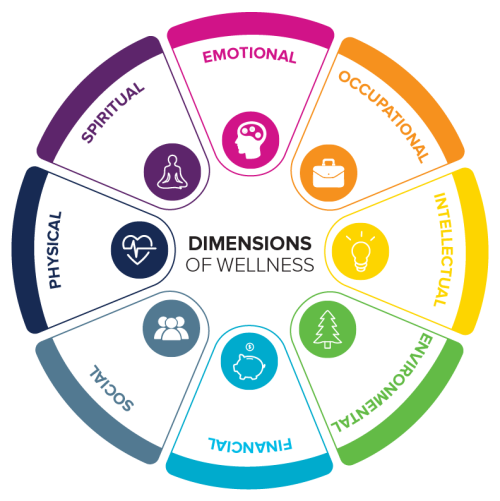
Ayurvedic healing, an ancient system of medicine with roots in the Indian subcontinent, has been practiced for over 5,000 years. Its fundamental principles revolve around the concept of balance, emphasizing the harmony between body, mind, and spirit. At the heart of Ayurveda is the understanding of the three doshas—Vata, Pitta, and Kapha—which represent different energies that govern our physical and emotional well-being. By identifying an individual's unique dosha constitution, practitioners can tailor treatments that restore balance through herbal remedies, dietary changes, and lifestyle adjustments.
The practices of Ayurvedic healing are as diverse as its philosophy, incorporating techniques such as yoga, meditation, and detoxification therapies like Panchakarma. These methods aim to cleanse the body of toxins and rejuvenate the mind, leading to holistic well-being. Daily routines (known as Dinacharya) are encouraged to establish a rhythmic lifestyle that aligns with nature's cycles, ultimately promoting longevity and vitality. As modern society increasingly looks towards holistic approaches to health, exploring the ancient art of Ayurvedic healing offers valuable insights into achieving a balanced and harmonious life.
Counter-Strike is a popular multiplayer first-person shooter game that has captivated gamers since its release. Players engage in team-based combat, choosing to fight as either terrorists or counter-terrorists. The game requires strategic thinking, quick reflexes, and teamwork to succeed, which makes it a thrilling experience. In addition to mastering gameplay mechanics, gamers can also improve their workspace for better performance with the Top 10 Desk Accessories for Posture.
How Scandinavian Hygge Can Enhance Your Wellness Journey
The concept of Scandinavian Hygge emphasizes comfort, coziness, and well-being, making it an excellent approach for those on a wellness journey. By integrating elements of Hygge into your daily life, you can create a nurturing environment that promotes mental and emotional health. This involves surrounding yourself with warm lighting, soft textures, and simple pleasures. For example, consider setting aside time each week to indulge in activities such as reading a book with a cozy blanket or enjoying a warm cup of tea by candlelight. Engaging in these nurturing practices can significantly enhance your mindfulness and reduce stress levels.
Another essential aspect of Hygge is the emphasis on connection—both with oneself and others. Embracing this philosophy can lead to improved relationships and increased feelings of happiness. Try inviting friends for a simple meal, where the focus is on enjoying each other’s company rather than elaborate preparations. You can also enhance your alone time by enjoying solitary activities that bring you joy, such as journaling or practicing yoga. These small but meaningful practices cultivate a sense of community and fulfillment, ultimately enriching your **wellness journey**.
What Can We Learn from Indigenous Healing Practices Around the World?
Indigenous healing practices provide a rich tapestry of knowledge that has been cultivated over centuries, offering insights into holistic health and well-being. Across the globe, from the Ayurvedic traditions of India to the shamanic practices of South America, these approaches emphasize the interconnectedness of mind, body, and spirit. One crucial lesson we learn is the importance of community in health; healing is often a collective process that involves family, spirituality, and the environment. For instance, many Indigenous cultures use storytelling as a form of healing, recognizing the power of narratives to foster connection and understanding.
Furthermore, Indigenous healing practices often prioritize natural remedies derived from the local ecosystem. This not only promotes the use of sustainable resources but also highlights the significance of biodiversity in medicine. By engaging with nature, Indigenous healers teach us about the medicinal properties of plants and the importance of respecting the land. As modern societies grapple with health crises, we can glean valuable insights from Indigenous practices about prevention, community care, and the normalization of alternative therapies that integrate traditional knowledge into contemporary health paradigms.