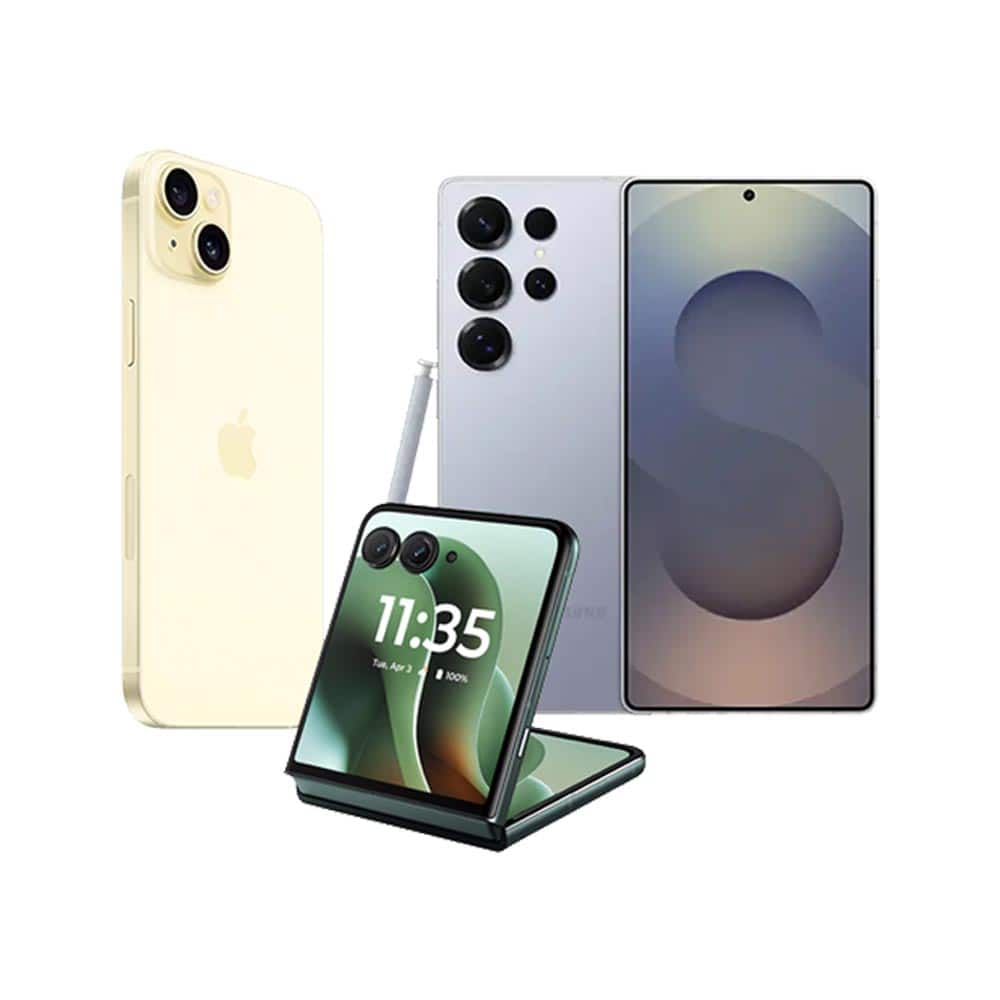
The Future of Mobile Technology: What to Expect in the Next 5 Years
The future of mobile technology is poised to be transformative, with several key developments expected to shape the landscape over the next five years. First and foremost, the rollout of 5G networks will enable faster data speeds and more reliable connections, paving the way for innovations such as augmented reality (AR) and virtual reality (VR) applications that were previously limited by bandwidth constraints. This enhanced connectivity will also foster the growth of the Internet of Things (IoT), allowing for seamless interaction between mobile devices and smart home technology. As mobile devices become increasingly central to our daily lives, we can anticipate significant advancements in security measures, such as biometric authentication and advanced encryption technologies, ensuring that personal data remains protected amidst rising cybersecurity threats.
Another significant trend is the rise of artificial intelligence (AI) in mobile technology. Over the next five years, AI is expected to become more integrated into mobile devices, improving user experiences through personalized recommendations and intelligent virtual assistants. Features such as voice recognition and context-aware applications will enhance usability, making mobile devices smarter and more intuitive. Furthermore, we can expect to see increased emphasis on sustainable practices as manufacturers look to develop more eco-friendly devices, utilizing recyclable materials and energy-efficient components. The convergence of these trends will redefine how users interact with technology, making it more convenient, efficient, and environmentally responsible.
Counter-Strike is a highly popular tactical first-person shooter video game series, where players assume the role of terrorists or counter-terrorists. The game emphasizes teamwork, strategy, and skill as players engage in round-based matches across various maps. For gamers looking to enhance their setup, incorporating the Top 10 magsafe accessories can significantly improve their gaming experience.
Exploring 5G: How It Transforms Our Mobile Experience
The advent of 5G technology is reshaping how we interact with our mobile devices, offering unprecedented speed and reliability in connectivity. With download speeds potentially exceeding 10 Gbps, users can stream high-definition content, enjoy lag-free gaming, and download large files in seconds. This remarkable shift in mobile experience is largely due to the enhanced capacity and reduced latency that 5G brings, allowing countless devices to connect without degrading performance. From urban areas to remote locations, the implications of 5G are profound, making mobile access faster and more efficient than ever.
Moreover, 5G technology heralds a new era of possibilities for businesses and consumers alike. With its advanced capabilities, we can expect an increase in IoT (Internet of Things) applications, enabling smart cities and connected devices that communicate seamlessly. For example, in industries such as healthcare, 5G facilitates real-time data sharing between doctors and patients, ensuring timely interventions and improving overall patient care. As we explore the transformation brought about by 5G, it's clear that this technology is not just an upgrade; it is a comprehensive revolution that will dictate the future of mobile experiences worldwide.
Are Foldable Phones the Future? A Deep Dive into Mobile Innovations
As technology continues to evolve at a rapid pace, foldable phones have emerged as one of the most exciting innovations in the mobile industry. These devices combine the portability of traditional smartphones with the expansive screen real estate typically found in tablets. The appeal lies in their ability to deliver a versatile user experience, accommodating a variety of tasks while maintaining a sleek form factor. Industry giants like Samsung and Huawei have made significant investments in this technology, aiming to capture the attention of consumers who crave both functionality and style. As the production processes improve and costs decrease, foldable phones may soon become mainstream, revolutionizing the way we interact with our devices.
While foldable technology is still in its infancy, early adopters have shown enthusiasm for these innovative smartphones. However, questions regarding durability and user experience persist. Critics point out potential issues such as screen fragility and software optimization challenges. In response, manufacturers are actively investing in research and development, seeking to enhance the robustness of these devices. For consumers pondering whether foldable phones are truly the future of mobile technology, the answers will likely unfold in the coming years. As we witness advancements in materials and software adapted for flexible displays, the potential for these devices to redefine our digital interactions becomes increasingly apparent.