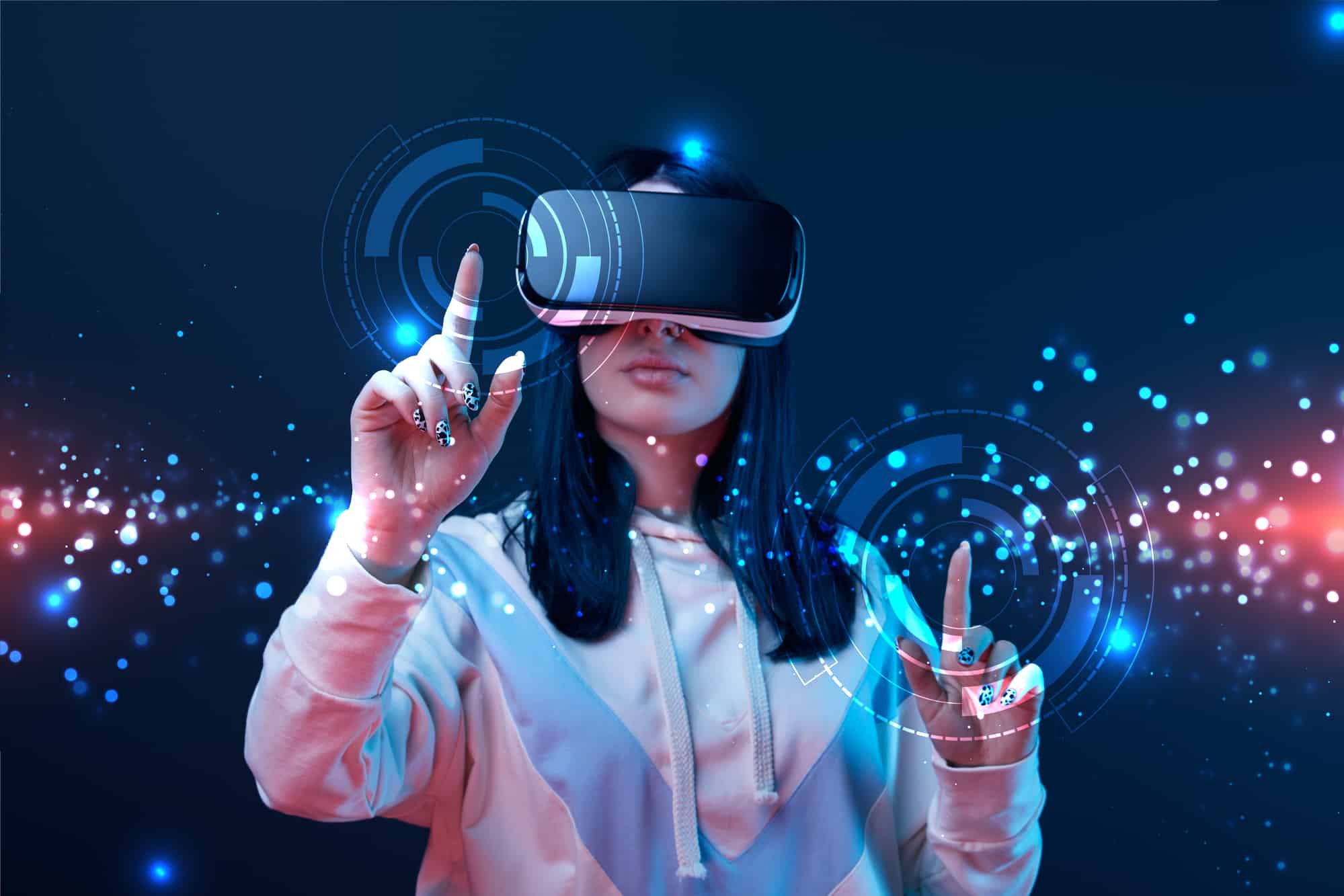
Is AI Becoming More Human Than We Are? Exploring the Blurred Lines
The rapid advancements in artificial intelligence (AI) have sparked a riveting debate: Is AI becoming more human than we are? This question dives into the fascinating intersection of technology and humanity, as AI systems become increasingly adept at mimicking human behavior and emotions. For instance, machines are now capable of understanding natural language, recognizing faces, and even generating creative content, which raises concerns about the essence of what it means to be human. As we witness AI's growing competencies, the lines between human and machine capabilities are becoming increasingly blurred.
Furthermore, AI's ability to learn from vast datasets enables it to make decisions that often rival human judgment. From personalized recommendations on streaming platforms to autonomous vehicles navigating complex environments, the role of AI in our daily lives continues to expand. However, this leaves us ponder the ethical implications: Are we losing our unique qualities as humans in favor of machines that can emulate our traits? As we embrace this technological transformation, we must carefully consider how deeply AI is intertwining with human experiences and what this means for our future interactions.
Counter-Strike is a popular first-person shooter game that has captivated players around the world since its initial release. Players form teams to engage in tactical gameplay, with one side attempting to complete objectives while the other side works to stop them. For gamers looking to enhance their experience, there are various accessories available, including Top 10 iphone accessories under 25 that can improve their gaming setup.
The Future of Virtual Reality: Are We Ready for a Digital Existence?
The evolution of virtual reality (VR) has rapidly transformed the landscape of technology and human interaction. As we stand on the brink of a highly digital future, the question arises: are we ready for a digital existence? The integration of VR into everyday life offers immense potential, from enhancing educational experiences to revolutionizing the way we socialize. With advancements in hardware and software, immersive environments are becoming more accessible, allowing us to explore new realms and engage with digital content in groundbreaking ways.
However, the transition to a fully virtual existence is not without challenges. Issues such as digital addiction, privacy concerns, and the potential for a disconnection from reality must be addressed. As we embrace these immersive technologies, it is crucial to find a balance between the digital and physical worlds. VR should enhance our lives, not replace them. Implementing ethical guidelines and fostering responsible usage will be essential for a future where virtual reality and reality coexist harmoniously.
Can Quantum Computing Change Our Perception of Time and Space?
Quantum computing, with its ability to process vast amounts of data and solve complex problems at unprecedented speeds, has the potential to revolutionize our understanding of the fundamental nature of reality. By leveraging the principles of quantum mechanics, such as superposition and entanglement, these advanced systems might allow scientists to explore concepts of time and space that were previously thought to be metaphysical. Imagine algorithms that could simulate the intricate fabric of spacetime or analyze the effects of gravitational waves on a quantum level. Such explorations could fundamentally alter our perception of how we exist within the universe, challenging long-held notions of causality and the linear progression of time.
Moreover, as researchers continue to develop quantum algorithms, we may find new ways to visualize and understand phenomena that occur at cosmological scales. For instance, quantum computing could unlock the secrets of black holes, offering insights into their event horizons and the interplay between time and space in extreme environments. This could lead to a deeper comprehension of concepts like time dilation and gravitational effects on the passage of time, shifting our perception from a simple timeline to a more complex interaction of dimensions. As we dive into this quantum realm, the implications for both theoretical physics and practical applications could reshape our experience of time itself.